
Essential Supplies for Your First Backyard Chickens
Bringing home our chicks for the first time was such an exciting experience! We entered into chicken ownership with zero experience—never having owned a chicken before. After watching dozens of YouTube videos, reading blog posts, and chatting with both store staff and fellow shoppers eager to share their knowledge, we dove right in.
While we didn’t have everything we needed at first, we quickly learned what’s essential for raising happy, healthy chickens. If you’re new to backyard chickens and want a complete beginner’s guide covering everything from coop setup and feeding to seasonal care and health tips, be sure to check out my Raising Backyard Chickens for Beginners Guide ! Now, let’s go over the must-have supplies to get started.

Baby and Toddler Chicks
Bringing home baby chicks is SO exciting, but those first few weeks take a little extra care! From setting up a cozy brooder to making sure they’re getting the right nutrition, it’s all about keeping them warm, safe, and well-fed. These are my top suggestions for what you need right away for your little chicks to get them off to the best start!
1. Cage/Enclosure
When you first bring your baby chicks home, they’ll need a safe and spacious enclosure to grow. A dog crate with a solid bottom or a rabbit cage works great. The enclosure should be large enough to comfortably fit a brooder heater, a feeder, and a waterer while still allowing space for the chicks to roam.
This post may contain affiliate links, which means I’ll receive a commission if you purchase through my link, at no extra cost to you. Please read full disclosure here.
Keeping their setup in a warm, draft-free spot and making sure it’s secure from curious pets or potential predators is super important for keeping them safe and comfy as they settle into their new home!

2. Feed and Water Containers
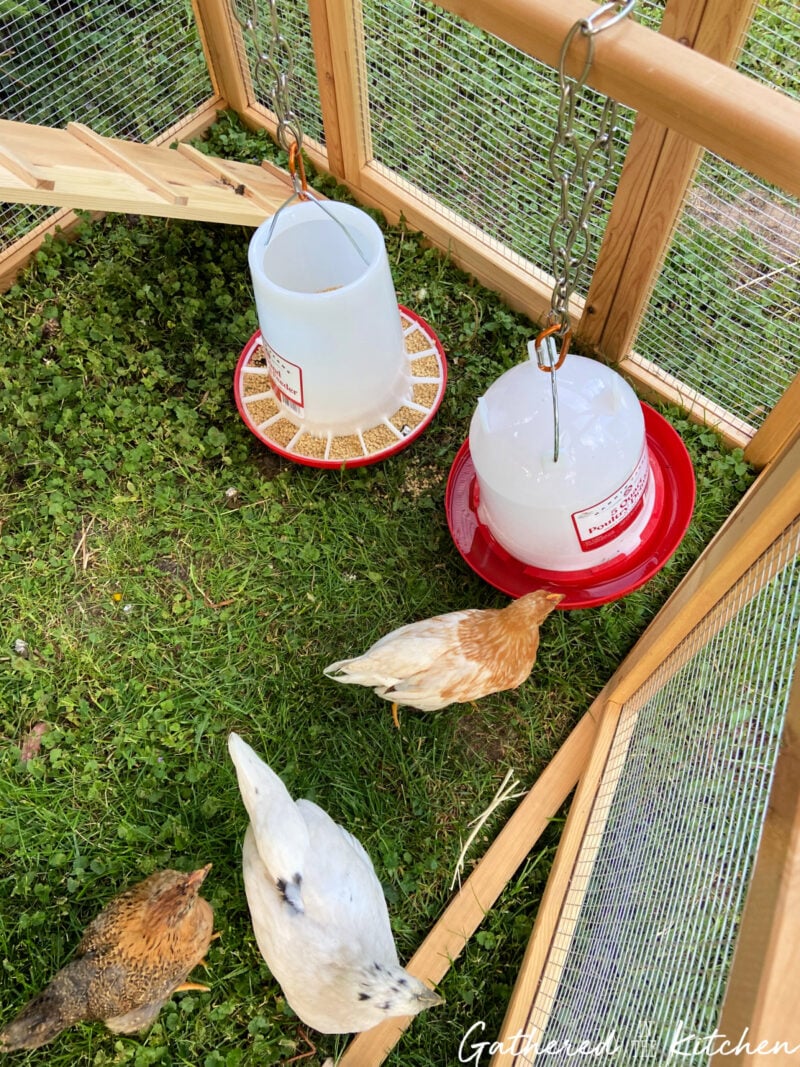
Chickens aren’t exactly picky when it comes to food and water, but having the right setup makes a big difference — not just for them, but for you too. When our girls were tiny chicks, we started with those small, chick-sized feeders and waterers designed just for them.
I purchased a waterer attachment that screws right onto a mason jar, and it was perfect! It held just the right amount of water and, most importantly, kept the chicks safe from accidentally falling in. Baby chicks are curious (and clumsy!), so using a shallow waterer like this is super important to prevent accidental drowning.

Once our girls grew up, we switched to larger feeders and waterers that could keep up with the whole flock. I highly recommend getting a hanging waterer — not only does it keep dirt, bedding, and chicken poop out, but it also helps the water stay cleaner longer. In the winter, I use a heated waterer to keep the water from freezing, which has been a total game-changer. If you live somewhere with freezing temps, this is definitely something to plan for from the start.
3. Bedding
When the chicks are babies and living inside, we use soft and fluffy pine shavings to keep them warm and comfortable. Once they move outside, we switch to a combination of straw and pine shavings in their nesting boxes and on the indoor perch bars, where they tend to poop the most. The shavings make cleanup super easy – I simply scoop them up and dump them straight into the compost pile. It’s an effortless way to keep the coop fresh while also creating nutrient-rich compost for our garden!

4. Chick Food
For our baby chicks, we used chick starter-grower crumble, which is perfect for their tiny beaks. The crumble is small, easy to eat, and packed with the essential nutrients they need for healthy growth. This type of feed supports their development in those crucial first weeks and helps them grow into strong, happy chickens! Look for a feed that is 18-20% protein.

5. Electrolytes & Vitamin Supplements
Electrolytes and vitamin supplements are a must-have when bringing home baby chicks! Just like us, chicks can get stressed from travel and adjusting to a new environment, so adding electrolytes to their water helps keep them hydrated and gives them an extra boost.
I always keep a packet of Sav-A-Chick on hand and mix it in when needed—it’s such a simple way to support their health and make sure they get off to the best start! If a chick is struggling to drink on its own, you can also administer the electrolyte solution using a small eye dropper to ensure they’re staying hydrated.

Grown Adult Chickens
Once your tiny chicks grow into full-sized hens, their needs change a bit—but keeping them happy and healthy is still the goal! From the best feed options to treats they go crazy for, here’s what I’ve learned about caring for adult chickens and what I always keep on hand for my flock.
1. A Safe Run or Free-Range Area
Whether you plan to free-range your flock like we do or keep them in a secure run, giving your chickens safe outdoor space is a must. Our girls absolutely love spending their days scratching around, taking dust baths, and exploring every inch of their yard. Chickens are naturally curious, so the more room they have to roam, the happier and healthier they’ll be.
If you’re going with a run, predator-proofing is key — and that means thinking about more than just the sides. Depending on where you live, you might need to cover the top too, especially if hawks or other flying predators are common. And don’t assume you’re safe just because you’re in the city — you’d be surprised how many critters (looking at you, raccoons and neighborhood cats!) would happily turn your flock into a midnight snack if given the chance.

2. Nesting Boxes for Laying Hens
As your hens start laying, they’ll need a comfortable, private space to do their thing. You don’t need a box for every hen — a good rule of thumb is 1 nesting box per 3-4 hens.
We like to add soft bedding or straw in the boxes to make them extra inviting. And just a heads up — no matter how many boxes you have, they’ll all probably fight over the same one. It’s just a chicken thing!

3. Adult Food
For our laying hens, I prefer pellet feed over crumbles because it tends to create less waste. I use an organic, non-GMO layer feed that includes probiotics and yeast cultures to support healthy digestion and boost their immune system.
Feeding them a nutrient-rich diet helps keep our hens happy and healthy while also giving us strong eggshells and rich, vibrant yolks!

4. Scratch Grains
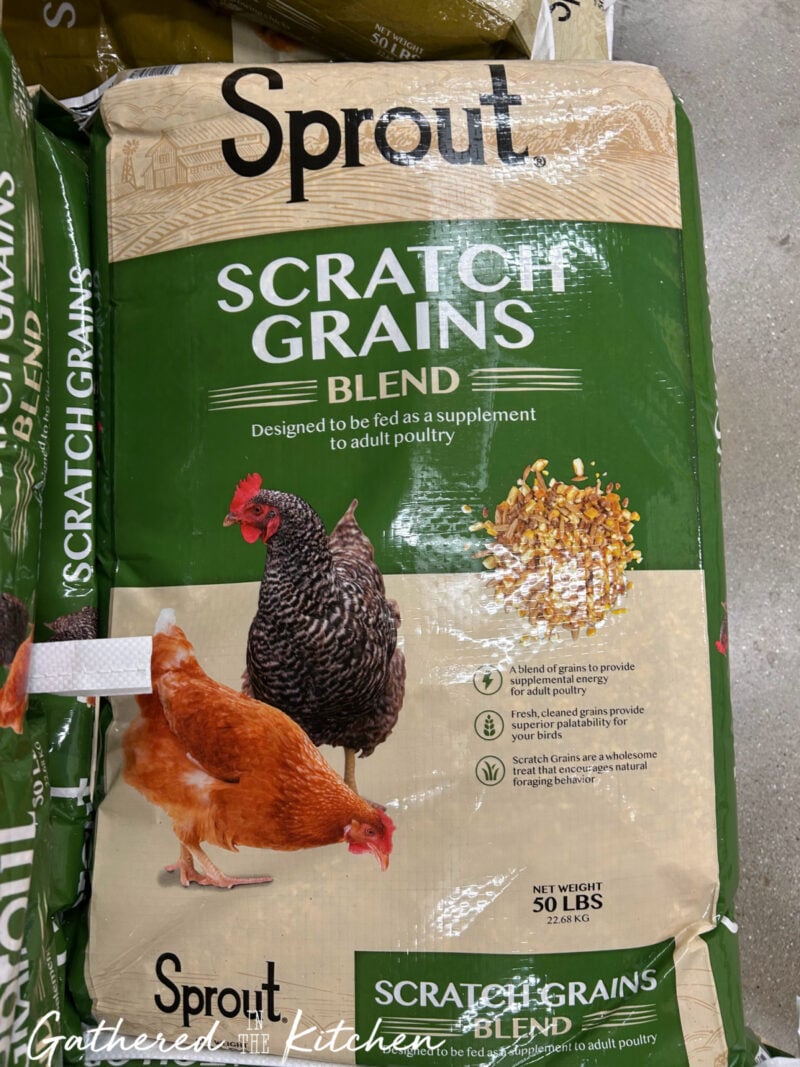
In addition to their layer feed, I like to sometimes give my hens scratch grains, especially during the winter when they can’t search for bugs and worms. It’s a mix of cracked corn, grains, and seeds and it helps keep them warm during colder months. It’s not their main feed, but it’s a great little extra that lets them scratch around like they would in nature—and honestly, they love it!
5. Treats
I love giving my chickens treats…especially dried mealworms! They go crazy for them, and it helps strengthen our bond. The moment they hear the crinkle of the bag, they come running, and it’s honestly the cutest thing! I’m so glad we’ve built this kind of trust because if they ever wander outside of our fenced area, all I have to do is shake the bag, and they come right back to me. It’s been such a fun (and super helpful) way to keep them safe!
A few notes about mealworms:
- They are expensive! This 5 pound bag runs about $50 (although you get more bang for you buck when you buy them on Amazon)
- If the chickens have too many mealworms, their eggs can end up tasting a little fishy. To combat that, only give them about 1-2 tbs each per day

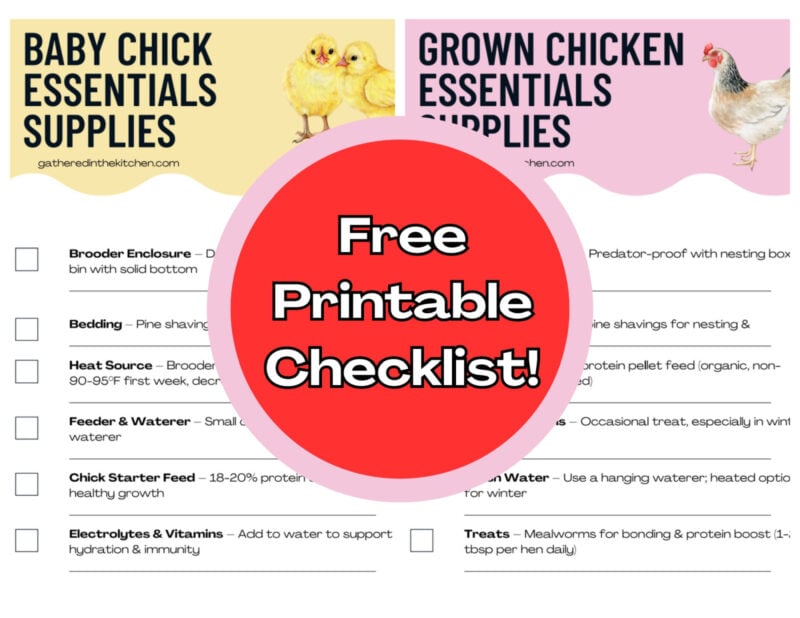
Grab Your Free Backyard Chicken Essential Supplies Checklist
I know firsthand how overwhelming it can feel to get everything ready for your first flock — that’s why I put together this free Backyard Chicken Starter Kit to make sure you’ve got all the essentials covered.
It’s a simple checklist to help you stay organized and stress-free as you welcome your new chicks home.
Raising chickens has been such a fun and rewarding experience, and I’ve learned so much along the way! Whether you’re just getting started with baby chicks or looking to improve your flock’s setup, having the right supplies makes all the difference.
From cozy brooders and healthy feed to fun treats and safe outdoor spaces, taking care of chickens is all about keeping them happy and thriving. I hope this guide helps you feel confident as you start your own backyard flock—trust me, it’s an adventure you won’t regret!


Stephanie—home cook, DIY addict, seasonal decor fanatic, and proud chicken wrangler living in a Victorian house that’s always a project. Whether I’m cooking with garden-fresh ingredients, herding mischievous chickens, or tackling another DIY, I’m here to share the fun (and chaos).


